
-----------------------------------------------------
MICROBIOLOGY INCLUDING PARASITOLOGY AND IMMUNOLOGY
Paper - IV
Time: Three Hours
Maximum Marks : 100
(Q No. 1 is compulsory. Attempt
any FIVE questions from remaining six questions)
1. Discuss briefly the life cycle of giardia lamblia and its
laboratory diagnosis (shardia lamblia के
जीवन चक्र एवं
लेबोरेट्री डायग्नोसिस को सक्षेप
में समझाइये। )
2 जीवाणुओं
का विभिन्न आधारों
पर वर्गीकरण किजिये।
जीवाण की संरचना
का सचित्र वर्णन
कीजिये।
3. निम्न में अन्तर
लिखिये :
A. बेक्टिरिया
व वायरस
B. एक्सोटोक्सिन
व एन्डोटोक्सिन
C. वायरस व अन्य
सुक्ष्म जीव
Q4. Discuss morphology, culture, lab diagnosis of Neisseria gonorrhea.
(नेइसेरिया गोनोरहोई की मार्कोलॉजी,
कल्चर एवं लैब
डायग्नोसिस लिखिये)
Q.5. Write in short about (संक्षिप्त
मे लेख लिखिये)
::
A. antigen-antibody interaction (एन्टीजन-एन्टीबॉडी
इन्टरेक्शन)
B. polymerase chain reaction (पॉलीमरेज
श्रृंखला अभिक्रिया) ५.
6. । White
morphology, life cycle and lab diagnosis of toxoplasma gondii. टोक्सोप्लाज्मा गोन्डाई की मोफोलॉजी,
जीवन-चक्र एवं
लेब डायसग्नोसिस को
लिखिये
7. Write in brief about :निम्न
पर संक्षिप्त में
टिप्पणी कीजिये :
A WIDAL test
B. hepatitis virus
-----------------------------------------------------
MICROBIOLOGY INCLUDING PARASITOLOGY AND IMMUNOLOGY
Paper - IV
Time: Three Hours
Maximum Marks : 100
(Q No. 1 is compulsory. Attempt
any FIVE questions from remaining six questions)
01. Discuss briefly the life cycle of plasmodium in
human (मनुष्य में प्लाजमीडियम
क जीवन चक्र
का वर्णन करे)
Q.2. Write short note on :(निम्न
पर संक्षिप्त टिप्पणी
कीजिये ):
A. Kala azar (काला
अजार)
B. Hydatid cyst (हायडेटिड
सिस्ट)
C. Filariasis (फाइलेरियासिस)
D. Cyst of E. histolytica (ई.
हिस्टोलीटिका का सिस्ट)
Q3. निम्न पर संक्षिप्त
टिप्पणी लिखिये :
Write short note on :
A ELISA (एलिजा)
B. Mycobacterium tuberculosis (माइकोवेक्टिरियम ट्यूबरक्यूलोसिस)
Q.4. Discuss briefly the various culture media used for
bacterial
culture. (बेक्टिरिया
के कल्चर में
काम आने वाले
विभिन्न कल्चर मीडिया का
वर्णन करे।)
Q.5. Discuss in brief the lab diagnosis of HIV.(एच.आई.वी. के
प्रयोगशाला निदान के बारे
में चर्चा करे।)
6. Write short notes o (निम्न
पर संक्षिप्ट टिप्पणी
कीजिये )
A. DNA viruses (.डी.एन.ए.
वाइरस)
B. Mantoux test (मेनटोक्स
टेस्ट)
C. HBS antigen (एच.बी.एस.
ऐंटिजन)
D. Laboratory diagnosis of E.coli.(ई. कोली
का प्रयोगशाला निदान)
2.7. Define hypersensitivity. Enumerate different
hypersensitivity reaction and discuss type 4 hyperse ferent types of
hypersensitivity (हाईपर सेंसिटिविटी क्या है?
विभिन्न हाईपर सेंसिटिविटास है
तथा टाईप IV हाइपर
सेंसिटिविटी पर चर्चा
करे। )
-----------------------------------------------------
MICROBIOLOGY INCLUDING PARASITOLOGY AND IMMUNOLOGY
Paper - IV
Time: Three Hours
Maximum Marks : 100
(Q No. 1 is compulsory. Attempt
any FIVE questions from remaining six questions)
Q1 Define microbiology and enlist its branches. Write
introduction of virus and about RNA virus.
माइक्रोबायोलॉजी को परिभाषित कीजिये एवं
इसकी लिस्ट बनाइये।
वायरस को समझाते
हुए RNA वायरस लिखिये।
0.2. write in brief about(संक्षेप
में टिप्पणी कीजिये
)
A. bacterial spore (बेक्टेरियल
स्पोर )
B. reproduction in microbes (सुक्ष्मजीवों में
जनन )
C. Louis Pasteur and Robert Koch (लुई पास्चर
एवं राबट कोच
)
D. MacConkey agar medium ( मॅककॉनकी
अगर )
Q.3. Write classification of nematodes. Discuss
morphology, if cycle and laboratory diagnosis of enterobius vermicularis
(निमेटोड के वर्गीकरण
को लिखिये। Enterobius vermicularis की माफोलॉजी,
जीवन-चक्र तथा
लेबोरेट्री डायग्नोसिस को समझाइये।
)
Q.4. Write in brief (निम्न
पर संक्षेप में
लिखिये) :
A. vibrio cholera (विवियो
कोलेरा )
B. lab diagnosis of diphtheria (डिप्थेरिया का लेब
डायग्नोसिस)
C. bacterial growth curve ( बेक्टेिरियल ग्रोथ
कर्व )
D. life cycle of ascaris lumbricoides (एस्केरिस, लम्ब्रीकोइड का
जीवन-चक्र)
Q.5. Differentiate between
निम्न में अन्तर
लिखिये :
A. Streptococcus viridans and pneumococcu
(स्ट्रेप्टोकोकस
विरिडेंस एवं न्युमोकोकाई)
B. टीनिया सोलियस एवं टीनियम
साजीनाटा
-----------------------------------------------------
MICROBIOLOGY INCLUDING PARASITOLOGY AND IMMUNOLOGY
Paper - IV
Time: Three Hours
Maximum Marks : 100
(Q No. 1 is compulsory. Attempt
any FIVE questions from remaining six questions)
1) Discuss
briefly the life cycle of plasmodium in human beings
2) Write
short notes on
i) Kala azar
ii) Hydatid
cyst
iii) Filarilasis
iv) Cyst of
E.histolytica
3) Write
short notes on
i) ELISA
ii) Mycobacterium
tuberculosis
4) Discuss
briefly the various culture media use for bacterial culture
5) Discuss
in brief the lab diagnosis of HIV
6) Write
short notes on
i) DNA viruses
ii) Mantoux
test
iii) HBS
antigen
iv) Laboratory
diagnosis of E.coli
7) Define
hyper sensitivity, enumerate the different types of hyper sensitivity reaction
and discus type IV hypersensitivity
-----------------------------------------------------
MICROBIOLOGY INCLUDING PARASITOLOGY AND IMMUNOLOGY
Paper - IV
Time: Three Hours
Maximum Marks : 100
(Q No. 1 is compulsory. Attempt
any FIVE questions from remaining six questions)
1. Discuss briefly the life cycle of giardia lamblia and
its laboratory diagnosis (shardia lamblia के
जीवन चक्र एवं
लेबोरेट्री डायग्नोसिस को सक्षेप
में समझाइये। )
2 जीवाणुओं
का विभिन्न आधारों
पर वर्गीकरण किजिये।
जीवाण की संरचना
का सचित्र वर्णन
कीजिये।
3. निम्न में अन्तर
लिखिये :
A. बेक्टिरिया
व वायरस
B. एक्सोटोक्सिन
व एन्डोटोक्सिन
C. वायरस व अन्य
सुक्ष्म जीव
Q4. Discuss morphology, culture, lab diagnosis of Neisseria
gonorrhea. (नेइसेरिया गोनोरहोई की मार्कोलॉजी,
कल्चर एवं लैब
डायग्नोसिस लिखिये)
Q.5. Write in short about (संक्षिप्त
मे लेख लिखिये)
::
A. antigen-antibody interaction (एन्टीजन-एन्टीबॉडी
इन्टरेक्शन)
B. polymerase chain reaction (पॉलीमरेज श्रृंखला
अभिक्रिया) ५.
6. ।
White morphology, life cycle and lab diagnosis of toxoplasma gondii. टोक्सोप्लाज्मा गोन्डाई की मोफोलॉजी,
जीवन-चक्र एवं
लेब डायसग्नोसिस को
लिखिये
7. Write in brief about :निम्न
पर संक्षिप्त में
टिप्पणी कीजिये :
A WIDAL test
B. hepatitis virus
-----------------------------------------------------
MICROBIOLOGY INCLUDING PARASITOLOGY AND IMMUNOLOGY
Paper - IV
Time: Three Hours
Maximum Marks : 100
(Q No. 1 is compulsory. Attempt
any FIVE questions from remaining six questions)
01. Discuss briefly the life cycle of plasmodium in
human (मनुष्य में प्लाजमीडियम
क जीवन चक्र
का वर्णन करे)
Q.2. Write short note on :(निम्न
पर संक्षिप्त टिप्पणी
कीजिये ):
A. Kala azar (काला
अजार)
B. Hydatid cyst (हायडेटिड
सिस्ट)
C. Filariasis (फाइलेरियासिस)
D. Cyst of E. histolytica (ई.
हिस्टोलीटिका का सिस्ट)
Q3. निम्न
पर संक्षिप्त टिप्पणी
लिखिये :
Write short note on :
A ELISA (एलिजा)
B. Mycobacterium tuberculosis (माइकोवेक्टिरियम ट्यूबरक्यूलोसिस)
Q.4. Discuss briefly the various culture media used for
bacterial
culture. (बेक्टिरिया
के कल्चर में
काम आने वाले
विभिन्न कल्चर मीडिया का
वर्णन करे।)
Q.5. Discuss in brief the lab diagnosis of HIV.(एच.आई.वी. के
प्रयोगशाला निदान के बारे
में चर्चा करे।)
6. Write short notes o (निम्न
पर संक्षिप्ट टिप्पणी
कीजिये )
A. DNA viruses (.डी.एन.ए.
वाइरस)
B. Mantoux test (मेनटोक्स
टेस्ट)
C. HBS antigen (एच.बी.एस.
ऐंटिजन)
D. Laboratory diagnosis of E.coli.(ई. कोली
का प्रयोगशाला निदान)
2.7. Define hyper sensitivity, enumerate the
different types of hyper sensitivity reaction and discus type IV
hypersensitivity
हाईपर सेंसिटिविटी क्या है?
विभिन्न हाईपर सेंसिटिविटास है
तथा टाईप IV हाइपर
सेंसिटिविटी पर चर्चा
करे।
-----------------------------------------------------
MICROBIOLOGY INCLUDING PARASITOLOGY AND IMMUNOLOGY
Paper - IV
Time: Three Hours
Maximum Marks : 100
(Q No. 1 is compulsory. Attempt
any FIVE questions from remaining six questions)
Q1 Define microbiology and enlist its
branches. Write introduction of virus and about RNA virus. माइक्रोबायोलॉजी को परिभाषित
कीजिये एवं इसकी
लिस्ट बनाइये। वायरस
को समझाते हुए
RNA वायरस लिखिये।
0.2. write in brief about(संक्षेप
में टिप्पणी कीजिये
)
A. bacterial spore (बेक्टेरियल
स्पोर )
B. reproduction in microbes (सुक्ष्मजीवों में
जनन )
C. Louis Pasteur and Robert Koch (लुई पास्चर
एवं राबट कोच
)
D. MacConkey agar medium ( मॅककॉनकी
अगर )
Q.3. Write classification of nematodes. Discuss
morphology, if cycle and laboratory diagnosis of enterobius vermicularis
(निमेटोड के वर्गीकरण
को लिखिये। Enterobius vermicularis की माफोलॉजी,
जीवन-चक्र तथा
लेबोरेट्री डायग्नोसिस को समझाइये।
)
Q.4. Write in brief (निम्न
पर संक्षेप में
लिखिये) :
A. vibrio cholera (विवियो
कोलेरा )
B. lab diagnosis of diphtheria (डिप्थेरिया का लेब
डायग्नोसिस)
C. bacterial growth curve ( बेक्टेिरियल ग्रोथ
कर्व )
D. life cycle of ascaris lumbricoides (एस्केरिस, लम्ब्रीकोइड का
जीवन-चक्र)
Q.5. Differentiate between निम्न में
अन्तर लिखिये :
A. Streptococcus viridans and pneumococcu
(स्ट्रेप्टोकोकस
विरिडेंस एवं न्युमोकोकाई)
B. टीनिया
सोलियस एवं टीनियम
साजीनाटा
----------------------------------
MICROBIOLOGY INCLUDING PARASITOLOGY AND IMMUNOLOGY
Paper - IV
Time: Three Hours
Maximum Marks : 100
(Q No. 1 is compulsory. Attempt
any FIVE questions from remaining six questions)
1. Describe
laboratory diagnosis of urinary tract infection (UTI)
2. Classify
culture media how you will prepare nutrient agar in laboratory what are the
uses Mac Coeski agar?
3. What
is AIDS? Write the causative organism. How you will diagnose AIDS in
laboratory?
4. Write
method of preparation of stool for microscope examination. Draw a labeled
diagram of round worm and hook worm
5. Classify
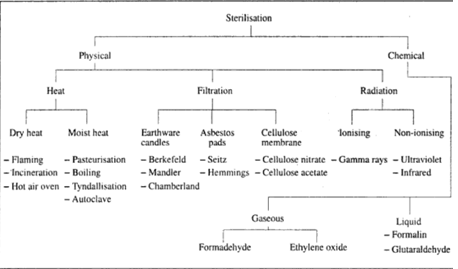
sterilization and describe the chemical method of sterilization
6. Write
short notes on
a. Blood ager media
b. Gram’s
stain
c. Negri body
d. Catalase
body
e. Bacterial spore
f. Widal test
Bacteriology
& virology
-----------------------------------------------------
MICROBIOLOGY INCLUDING PARASITOLOGY AND IMMUNOLOGY
Paper - IV
Time: Three Hours
Maximum Marks : 100
(Q No. 1 is compulsory. Attempt
any FIVE questions from remaining six questions)
1. What
is sterilization? Describe different method of sterilization
2. Describe
lab diagnosis of diphtheria
3. Name
of different types of diphtheria
4. Name
the different types of viral hepatitis and its conman mode of transmission
5. Name
the five gram negative & gram positive bacteria and describe method of
staining , Slide transmission of HIV infections
6. Laboratory
diagnosis of any four
a. Tuberculin test
b. Ziehl
nelson staining
c. Incubation period
prophylaxis of tetanus
prophylaxis of tetanus
d. Mumps
e. Leprosy
f. Albert staining
-----------------------------------------------------
MICROBIOLOGY INCLUDING PARASITOLOGY AND IMMUNOLOGY
Paper - IV
Time: Three Hours
Maximum Marks : 100
(Q No. 1 is compulsory. Attempt
any FIVE questions from remaining six questions)
------
1) What
are different types of biomedical waste generated in hospitals discuss the
different method of disposal of waste
2) Describe
lab diagnosis of cholera
3) Name
different gram positive anaerobic bacteria describe lab diagnose of c tetani
4) What
are different types and forms of culture media how will you prepare mac coky
agar media name the bacteria grown on this media.
5) Classify
virus describe morphology antigenic properties, transmission and lab diagnosis
of polio virus
6) Describe
principal and procedure of microscopic examination of stool specimen, draw a
labeled diagram of entamoeba histolytica and giardia lamblia cyst.
7) Write
short notes on any four
i) Bacteriophage
ii) Bacteriological
examination of CSF
iii) Culture
& sensitivity test of urine
iv) Coagulaste
test
v) Cultural
characteristic of staphylococcus aurous.
vi) autoclave
vii)
Chemical disinfectant
-----------------------------------------------------
MICROBIOLOGY INCLUDING PARASITOLOGY AND IMMUNOLOGY
Paper - IV
Time: Three Hours
Maximum Marks : 100
(Q No. 1 is compulsory. Attempt
any FIVE questions from remaining six questions)
1) What
is the disease produced by salmon? Describe the laboratory procedure for
diagnose of typhoid fever
2) What
is sterilization? Describe the different method of sterilization
3) Classify
culture media, how to prepare slide of agar in laboratory. What are the uses of
blood agar?
4) Name
the various affecting liver write laboratory diagnosis of hepatitis b virus
5) Classify
myobectera. Write laboratory diagnose myobecterial tuberculosis
6) Write
short notes on any five
i) Different between bacteria and virus
ii) Causative
agent of urinary tract infection
iii) Coagulate
test
iv) ASO test
v) Gram’s
staining
-----------------------------------------------------
MICROBIOLOGY INCLUDING PARASITOLOGY AND IMMUNOLOGY
Paper - IV
Time: Three Hours
Maximum Marks : 100
(Q No. 1 is compulsory. Attempt
any FIVE questions from remaining six questions)
(1)
SEROLOGY & MYCOLOGY
1. What
is antigen - antibody reaction? Describe the precipitation test examples the
dermatophytes.
2. Describe
in brief the laboratory diagnosis of fungus.
3. What
is immunity? What are the types of immunity? Describe the Passive immunity
4. Write
Short Notes on any two of the:
a. Candida albicans
b. Widal
Test
c. Weil - felix test
5. Write
short notes on any two
a. ASO titre
b. Casoni's
test
c. Madura foot
6. Write
down the laboratory diagnosis of syphilis.
-----------------------------------------------------
MICROBIOLOGY INCLUDING PARASITOLOGY AND IMMUNOLOGY
Paper - IV
Time: Three Hours
Maximum Marks : 100
(Q No. 1 is compulsory. Attempt
any FIVE questions from remaining six questions)
1. What
is antigen - antibody reaction? Describe the agglutination test with
examples.
2. What
is ELISA test, its principles and uses? -- AIDS
3. What
is immunity? What are the types of immunity? Describe the passive
immunity
4. Classify
fungus. Describe opportunistic fungi with its laboratory diagnosis
5. Describe
pathogenicity and laboratory diagnosis of salmonella infection.
6. Write
short notes on any four.
a. Active immunity.
b. Negative
stain for fungus.
c. Casoni's test.
d. C-reactive
protein.
e. Mantoux test.
f. Weil - felix test.
-----------------------------------------------------
MICROBIOLOGY INCLUDING PARASITOLOGY AND IMMUNOLOGY
Paper - IV
Time: Three Hours
Maximum Marks : 100
(Q No. 1 is compulsory. Attempt
any FIVE questions from remaining six questions)
SEROLOGY AND MYCOLOGY
1. Clinically
important fungi. What are the infections caused by candida
albicans. Describe its Lab. Diagnosis. .
2. dermetophytes.
Describe morphology, colony character Diagnosis) of diferent types
of dermetophytes.
3. Describe
ELISA screening test for HIV.
4. describe
the different tests done to screen blood donor’s or alia antigen
5. Describe
Rh blood group system. How will you perform typing by slide and tube method?
6. describe
antigens and antibodies. What are the different res of en- antibody
reaction. Describe Gravindex test.
7. short
notes on any four
a. Complement fixation test.
b. Flocculation
CSL
c. Aldehydes
d. Transfusion
reaction.
e. Hyphae
f. Mycelium.
g. immunofluorescence test.
-----------------------------------------------------
MICROBIOLOGY INCLUDING PARASITOLOGY AND IMMUNOLOGY
Time: Three Hours
Maximum Marks : 100
(Q No. 1 is compulsory. Attempt
any FIVE questions from remaining six questions)
1. Classify
fungus. Describe in brief the laboratory diagnosis of
2. fungus.
3. What
is hypersensitivity reaction. Describe different types of hypersensitivity
reaction.
4. What
are the infections produced by Candida albicans. Describe its iaboratory
diagnosis
5. What
is ELISA test its principles and uses Write short notes on any Tour
a) Passive
immunity
b) Aldehyde
test
c) Casoni's test
d) C-reactive
protein,
e) Mantoux test.
-----------------------------------------------------
MICROBIOLOGY INCLUDING PARASITOLOGY AND IMMUNOLOGY
Time: Three Hours
Maximum Marks : 100
(Q No. 1 is compulsory. Attempt
any FIVE questions from remaining six questions)
1. clinically
important fungi. What are the infections CAUSED ed by candida albicans.
Describe its Lab. Diagnosis.
2. dermetophytes.
Describe morphology, colony character b. Diagnosiso) different types of
dermetophytes.
3. Describe
the different Laboratory tests done for the diagnosis Refection.
4. Describe
ELISA screening test for HIV. be the different tests done to screen blood
smears for la antigen (B y ). be Rh blood group system. How will you perform
typing by slide and tube method antigens and antibodies. What are the different
types of in- antibody reaction. Describe Gravindex test.
5. short
notes on any four Complement fixation test.
a. Flocculation IESL Aldehyde test
b. Transfusion
reason
c. Hyphae
d. Mycelium.
e. immunolluorescence tesi.
-----------------------------------------------------
MICROBIOLOGY INCLUDING PARASITOLOGY AND IMMUNOLOGY
Paper - IV
Time: Three Hours
Maximum Marks : 100
(Q No. 1 is compulsory. Attempt
any FIVE questions from remaining six questions)
1. What
are the diseases produced by Streptococci ? Describe the laboratory procedure
for diagnosis of rheumatic fever
2. Classify
culture media How you will prepare Mac Conkey parin laboratory, What are the
uses of Mac Conkey Agar
3. What
is AIDS? Write the causative organism. How you will diagnose AIDS in the
laboratory?
4. What
is sterilization Classify sterilization und describe the physical method of
sterilization
5. Classify
batteries according to their staining properties. Describe the principals and
procedures of Gram's staining
6. Write
short notes on any four
a. Bacterial spore
b. Causative
agents of urinary tract infection.
c. Coagulate test
d. Widal
test.
e. Method of Hepatitis B infection
----------------------------------------
MICROBIOLOGY INCLUDING PARASITOLOGY AND IMMUNOLOGY
Paper - IV
Time: Three Hours
Maximum Marks : 100
(Q No. 1 is compulsory. Attempt
any FIVE questions from remaining six questions)
1. briefly
the life cycle of Plasmodium in human beings.
2. write
short notes on:
a. Kala Arar
b. Hydatid
cyst
c. Filariasis
d. Cyst
of E. histolytica
3. Write
short notes on:
a. ELISA
b. Mycobacterium
tuberculosis
4. Discuss
briefly the various culture media used for bacterial culture.
5. Discuss
in brief the lab diagnosis of HIV.
6. Waite
short notes on:
a. DNA viruses
b. Mantoux
test
c. HBS antigen
d. Laboratory
diagnosis of E.coli.
7. Define
Hypersensitivity. Enumerate the different types of hypersensitivity reactions
and discuss type IV hypersensitivity.


If you have any queries related medical laboratory science & you are looking for any topic which you have have not found here.. you can comment below... and feedback us if you like over work & Theory
.
Thanks for coming here..